
Tire Guide
Know Your Tires
A plain-English guide to reading your tire size, choosing the right type, and knowing when it’s time for a new set — from the folks who’ve been selling tires in Rochester for over 45 years.
Reading Your Tire Size
Every tire has its size molded into the sidewall. You’ll also find your vehicle’s original size on the sticker inside the driver’s door jamb or in the owner’s manual. Here’s what a typical size means:
P225/65R17 102H
Example size from a typical SUV or crossover
| Part | Example | What it means |
|---|---|---|
| Tire type | P | P = Passenger. LT = Light Truck, built for heavier loads and towing. No letter usually means a metric passenger tire. |
| Width | 225 | Width of the tire in millimeters, sidewall to sidewall. |
| Aspect ratio | 65 | Sidewall height as a percentage of the width. Lower numbers mean a shorter, sportier sidewall. |
| Construction | R | Radial construction — nearly every modern tire is radial. |
| Rim diameter | 17 | Fits a 17-inch wheel. |
| Load index | 102 | How much weight each tire can carry (102 = 1,874 lbs). Match or exceed your vehicle’s spec. |
| Speed rating | H | Maximum sustained speed the tire is rated for (H = 130 mph). |
Common Speed Ratings
| Rating | S | T | H | V | W | Y |
|---|---|---|---|---|---|---|
| Max speed | 112 mph | 118 mph | 130 mph | 149 mph | 168 mph | 186 mph |
Know your size? Search our tires by size →
Types of Tires
The right tire depends on your vehicle and how you drive. Here are the most common types we sell.
All-Season
The everyday choice for cars, minivans and crossovers. Quiet, long-lasting and good in rain and light snow.
Touring
An all-season tire tuned for a smoother, quieter ride and responsive handling. Great for commuters and road trips.
Performance
Higher speed ratings and sharper cornering grip for sport sedans, coupes and muscle cars.
Highway
Built for light trucks and SUVs that spend most of their time on pavement. Long tread life and a quiet ride.
All-Terrain & Mud-Terrain
Aggressive tread for gravel, dirt, mud and snow. All-terrains balance on- and off-road; mud-terrains are for serious off-roading.
Winter
Softer rubber and deep siping for snow and ice. Look for the mountain-snowflake symbol for severe-snow performance.
Four Seasons
Bridges the gap between all-season and winter tires. Softer rubber stays flexible in freezing temperatures, and the Three-Peak Mountain Snowflake (3PMSF) symbol means it passed official snow traction tests. No seasonal swaps where winters bring moderate snow.
Tread Depth
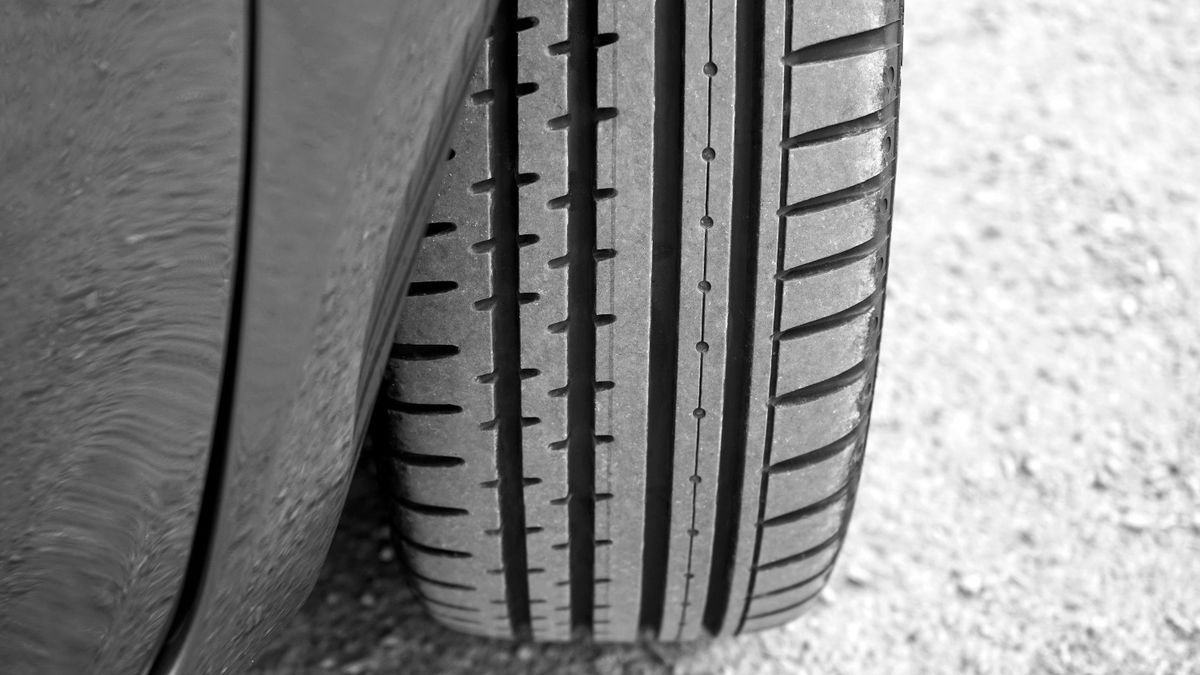
Tread is what grips the road and channels away water. New tires typically start with about 10/32″ to 11/32″ of tread. In Pennsylvania, tires must have at least 2/32″ to pass state inspection, but wet and snowy traction drops off well before that.
The Penny Test
Put a penny into the tread groove with Lincoln’s head pointing down. If you can see the top of his head, you’re at 2/32″ or less — it’s time for new tires.
The Quarter Test
Do the same with a quarter. If you can see the top of Washington’s head, you have about 4/32″ left. For Western PA winters, that’s a good time to start shopping.
Wear Bars
Most tires have small raised bars across the bottom of the grooves. When the tread is worn flush with those bars, the tire is at 2/32″ and should be replaced.
Western PA Winters
Why Winter Tires Matter Here
Beaver County winters bring snow, slush, black ice and plenty of steep, hilly roads. All-season tires are built to handle a little of everything, but once temperatures stay below about 45°F their rubber starts to stiffen and lose grip. Winter tires are made for exactly the conditions we get from late fall through early spring.
What Makes Them Different
- Softer rubber that stays flexible in freezing temperatures
- Deeper tread and thousands of tiny slits (siping) that bite into snow and ice
- Shorter stopping distances on snowy and icy roads compared to all-season tires
- Look for the three-peak mountain snowflake symbol on the sidewall, which marks tires rated for severe snow
Winter Tire Tips
- Put them on around November, once daytime temperatures stay in the 40s, and take them off in spring when it warms up for good.
- Always install all four. Mixing winter and all-season tires can make the car spin or slide unpredictably.
- Don’t run them all summer. The soft rubber wears quickly on warm pavement.
- Have a spare set of wheels? We can mount your winter tires on them so swapping each season is quicker.
Don’t want to swap tires twice a year? A four seasons tire is a year-round middle ground with better snow grip than a standard all-season.
Tire Pressure
Correct pressure is the easiest way to get better gas mileage, longer tread life and safer handling.
- Use the door jamb sticker, not the number on the tire sidewall. The sidewall shows the tire’s maximum pressure, not what your vehicle needs.
- Check monthly, when tires are cold — before driving or after the car has sat for a few hours.
- Watch the temperature. Tires lose roughly 1 PSI for every 10°F drop, so check again when the weather turns cold.
- Don’t ignore the TPMS light. It means at least one tire is significantly low.
Rotation & Balancing
Front and rear tires wear at different rates. Rotating them — typically every 5,000 to 7,500 miles, or as your owner’s manual recommends — evens out wear so the whole set lasts longer.
Balancing keeps each tire and wheel spinning smoothly. If you feel a vibration in the steering wheel or seat at highway speed, your tires likely need to be balanced. Learn more about tire balancing →
Tire Age
Rubber ages even when a tire isn’t used much. To find out how old a tire is, look for the letters “DOT” on the sidewall. The last four digits are the week and year it was made — for example, 2324 means the 23rd week of 2024.
Many tire and vehicle manufacturers recommend having tires inspected every year once they’re five years old, and replacing them once they’re 6 to 10 years old, regardless of tread. Check your owner’s manual — and don’t forget the spare.
When to Replace Your Tires
Replace your tires, or stop by and have us take a look, if you notice any of these:
- Tread is at or below 2/32″ (penny test or wear bars)
- Cracks in the sidewall or between the tread blocks
- Bulges, blisters or bubbles on the sidewall
- Uneven wear — one edge worn more than the other
- A vibration or thumping that doesn’t go away
- Tires more than 6–10 years old
Time for New Tires?
Find your size online or give us a call. We’ll help you pick the right tire at an honest price.
